DRAINAGE SPLINT

Bruxism in Ibi

Bruxism is the involuntary habit of clenching or grinding your teeth, and it affects more people than you might think. If you wake up with jaw pain, have worn-down teeth, or suffer from frequent headaches, bruxism may be the cause.
1st Visit FREE
Financing for up to 60 months
Early diagnosis
Custom-made splint
Bruxism Treatment in Ibi

What is bruxism?

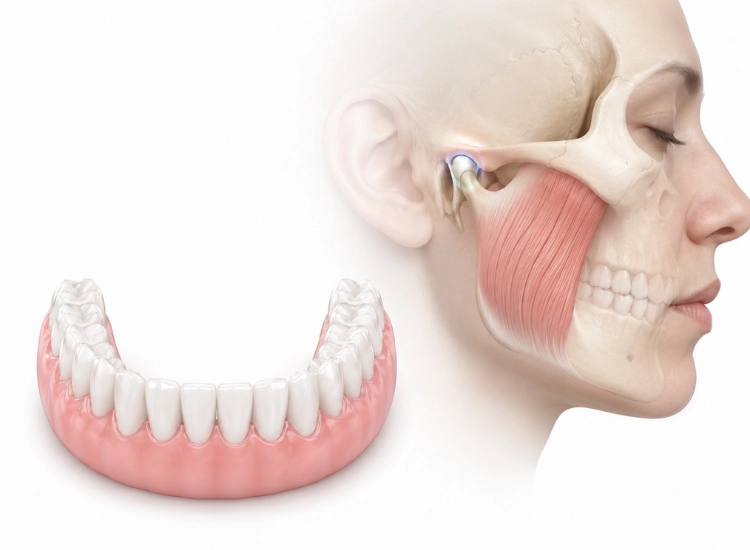
Bruxism is the involuntary habit of clenching or grinding the teeth, either during sleep or during moments of stress throughout the day. It’s not just a dental problem— bruxism that persists over time can wear down enamel, fracture teeth, strain the temporomandibular joint, and cause chronic pain in the jaw, neck, and head.

The main problem is that many people don’t know they have it until the damage is already done. Nocturnal bruxism, in particular, goes unnoticed for years because it occurs while we sleep. At our clinic in Ibi, we perform a comprehensive diagnosis to detect it early and prevent its consequences before they become irreversible.

Daytime and nighttime bruxism

There are two types: the kind that occurs during sleep (the most common and hardest to detect) and the kind that results from unconsciously clenching your teeth during the day.

Comprehensive Diagnosis

We assess tooth wear, the condition of the temporomandibular joint, and the masticatory muscles to determine the severity of the condition and the most appropriate treatment.

Personalized Treatment

From custom-made bite splints to orofacial physical therapy or botulinum toxin in severe cases. We tailor the treatment to each patient.

Common Signs

How can you tell if you have bruxism?

Bruxism doesn’t always cause obvious symptoms, especially when it occurs at night. These are the most common signs that you may be clenching or grinding your teeth without realizing it.

Jaw pain upon waking

If you feel tension or pain in your jaw muscles, temples, or neck when you wake up, this is one of the most common symptoms of nocturnal bruxism.

Worn, flat, or sensitive teeth

Enamel wear caused by bruxism causes teeth to lose their natural shape and become flatter, shorter, or more sensitive to cold and heat.

Frequent morning headaches

Clamping your jaw at night overstimulates the temporal muscles and can cause recurring headaches, especially in the morning or in the temples.

Noise when opening the mouth or a clicking sound in the jaw

If the temporomandibular joint (TMJ) is overloaded due to bruxism, it can cause clicking, popping, or even limited mouth opening.

Treatments for Bruxism

There is no single treatment for bruxism because not all cases are the same. The treatment approach depends on the severity and type of bruxism, as well as whether there is any associated dental or joint damage. During your first visit, we’ll evaluate your case and explain which option is best for you.

Bite splint

Bite splint

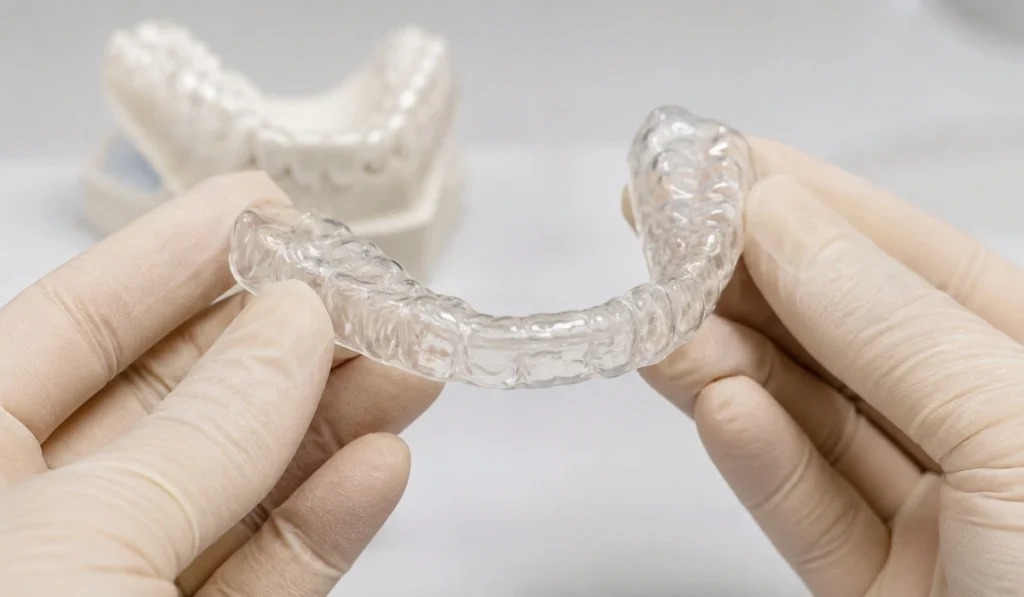
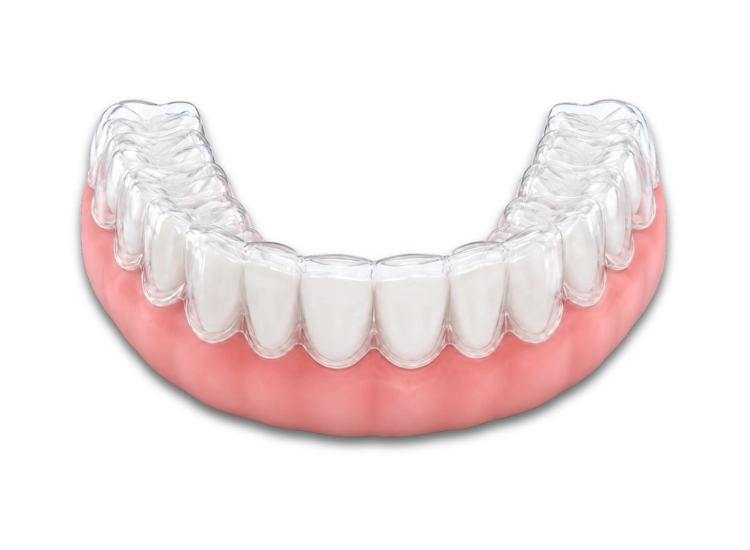
This is the most common treatment and the first step in most cases. A splint is a custom-made, rigid plastic device that is placed over the upper or lower teeth to protect them from wear and to relax the muscles. It does not eliminate bruxism, but it prevents its consequences.

Orofacial Fiosotherapy

Orofacial Physical Therapy

Physical therapy specifically targeting the masticatory muscles and the temporomandibular joint helps reduce accumulated muscle tension, improve jaw mobility, and relieve associated pain. It complements the bite splint very well.

Botulinum toxin

Botulinum toxin

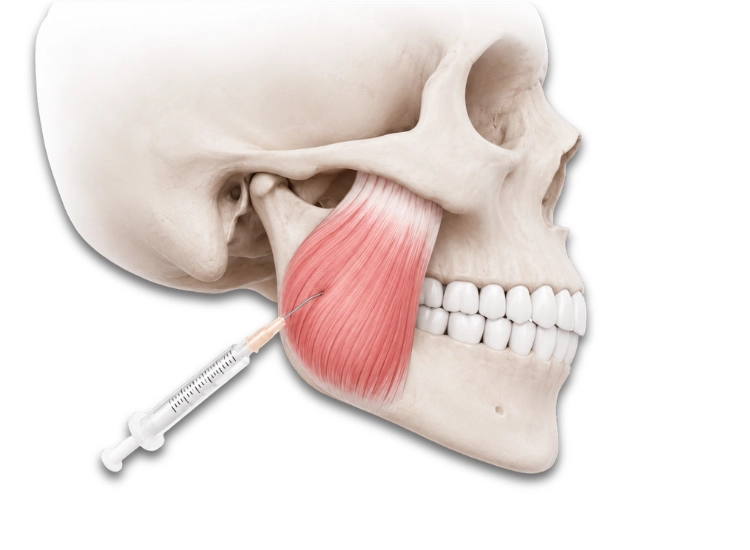
In cases of severe bruxism with masseter muscle hypertrophy, the administration of botulinum toxin significantly reduces bite force. The effect lasts between 4 and 6 months and can be repeated. It is the most effective option when a mouthguard is not sufficient.

Treatment of Malocclusion

Treatment of Malocclusion

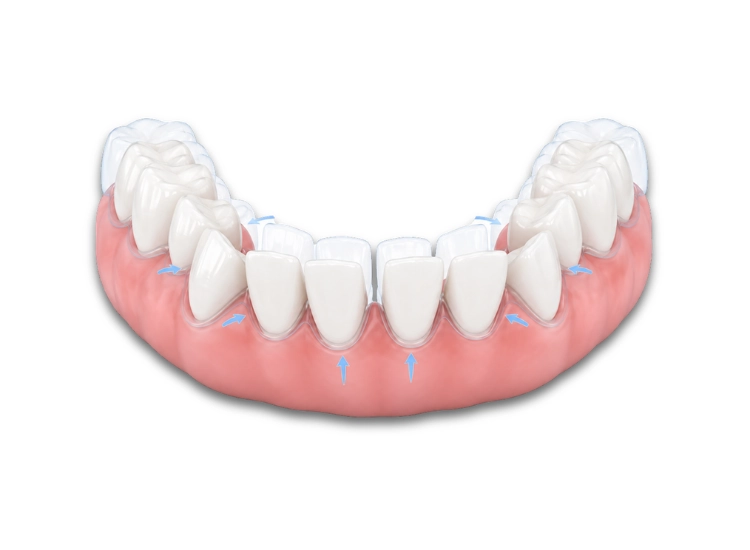
In some cases, bruxism is related to an improper bite that causes continuous strain on certain teeth or the jaw joint. Correcting the malocclusion through orthodontic treatment or occlusal equilibration can significantly reduce bruxism.

BEFORE YOUR APPOINTMENT

6 Things You Should Know About Bruxism

Bruxism is one of the most common yet least-diagnosed disorders in dentistry. Here, we address the most common questions so you can understand what’s happening and what you can do about it.

01

You might have it without even knowing it

Nocturnal bruxism occurs while we sleep, so most people are unaware that they are grinding or clenching their teeth. Often, a partner who hears the noise notices it before the patient does.

02

A mouthguard does not cure bruxism; it controls it.

A bite splint protects the teeth from wear and relaxes the muscles, but it does not eliminate the habit itself. Bruxism has a neuromuscular component and is often psychological as well (stress and anxiety are its main triggers).

03

If left untreated, it can lead to tooth fractures

Severe and prolonged bruxism can fracture teeth, break fillings, wear away enamel down to the dentin, and even cause chronic damage to the temporomandibular joint. The sooner it is treated, the less damage accumulates.

04

Stress is its main trigger

Although there are genetic and occlusal factors, stress and anxiety are the factors that most influence the severity of bruxism. That is why many patients experience worsening symptoms during periods of increased work or personal pressure.

05

It’s not just a dental problem

Bruxism can cause pain in the jaw, neck, and shoulders, tension headaches, ringing in the ears, and difficulty opening the mouth. When it becomes chronic, it significantly affects quality of life.

06

Children can also have bruxism

Bruxism in children is more common than people realize, especially during the transition to permanent teeth. In most cases, it resolves on its own, but it is important to monitor it to prevent any adverse effects on the permanent teeth.

Testimonials

What do our patients say?

At Hernández & Espuelas, every patient has a different story, but they all have one thing in common: they came in with a question or a problem and left with a solution. Here’s what they’ve told us.

I’d been experiencing jaw pain in the mornings for years and had never linked it to bruxism. I was diagnosed with it here during a routine checkup. They made me a custom mouthguard, and within a few weeks the pain had decreased significantly. What I appreciate most is that they explained clearly what it was, why it was happening, and what I needed to do. Now I sleep much better.

Sandra P.

My wife had been telling me for a while that I was grinding my teeth at night, but I didn’t think much of it. That is, until I started noticing that my front teeth looked shorter and flatter. I came in for an exam, and sure enough, I had quite advanced bruxism. They fitted me with a mouthguard and explained that if I hadn’t treated it, I would have ended up losing a lot of enamel. Better late than never.

Alejandro M.

I had terrible headaches almost every day and had tried everything. The neurologist referred me to the dentist because he suspected it might be bruxism. There, they confirmed that I was, in fact, clenching my teeth very hard at night. With the mouthguard and a few physical therapy sessions, my headaches have improved a lot. I’m thrilled!!

Carmen V.

How do we do it?

Step-by-Step Guide to Treating Bruxism

Treatment for bruxism begins with a thorough understanding of your specific case: what type of bruxism you have, what damage it has already caused, and what the best solution is. We’ll walk you through the process from start to finish.

1

Diagnosis and Evaluation

We examine the condition of your teeth, enamel wear, your masticatory muscles, and your temporomandibular joint. We also assess your symptoms and habits to determine the type and severity of your bruxism. Without a proper diagnosis, there can be no effective treatment.

2

Impression-taking or digital scanning

If the treatment includes a bite splint, we’ll take an impression or an intraoral scan of your teeth to create a fully custom-made splint. A splint that doesn’t fit properly not only won’t work—it can actually make the problem worse.

3

Manufacture and delivery of the splint

The splint is custom-made in the lab using high-strength materials. During your follow-up appointment, we’ll fit it in your mouth, check your bite, and explain how to use, clean, and care for it properly.

4

Complementary treatment, if necessary

Depending on the case, we may supplement the splint with orofacial physical therapy, occlusal adjustment, or botulinum toxin. We’ll explain which option is best for your situation and why before proceeding.

5

Reviews and Follow-up

Bruxism requires regular follow-up visits to check the condition of the mouthguard, tooth wear, and how your symptoms are progressing. Over time, we adjust the treatment based on how you respond to it.

Do you have any questions?

Frequently Asked Questions About Periodontics

Take the first step

Your first visit is completely free

Come meet us—no strings attached. We’ll give you a complete evaluation, explain exactly what you need, and tell you how much it costs. No fine print, no pressure.

First visit free — examination, diagnosis, and estimate at no cost
Interest-free financing for up to 24 months and payment terms of up to 60 months
Specialists with more than 14 years of experience in each area
All medical specialties in one clinic, with no referrals needed

No waiting lists · We respond within 24 hours

Scroll to Top